



Fundamental Research on the Cold Atmospheric Plasma Device for Aesthetic and Anti-Aging Applications
1. Research Background and Significance
Skin and Skin Aging

As the largest organ of the human body, the skin performs the critical function of protecting the body from environmental damage. It also plays a vital role in physiological processes such as thermoregulation and sensory perception. The structural integrity of the skin primarily relies on the dynamic extracellular matrix (ECM), which is mainly composed of collagen and elastin fibers. These fibers provide the skin with tensile strength and elasticity.
With advancing age, the structure and function of the skin progressively change. These alterations include a reduction in collagen and elastin fibers, decreased skin elasticity, increased wrinkle formation, skin thinning, and dryness. These changes not only affect the skin's appearance but may also lead to a compromised skin barrier function, making the skin more susceptible to environmental damage.
Therefore, there is an urgent need to identify effective anti-aging strategies to improve skin health and appearance.
Categories of Aesthetic Devices

- Radiofrequency (RF) Devices
- Promote collagen production through thermal stimulation.
- Short-term: Specific temperatures cause contraction of dermal collagen fibers.
- Long-term: Stimulate the dermis to secrete more collagen.
- Thereby achieving skin smoothing and wrinkle reduction.

- Microcurrent Devices
- Muscles tighten under microcurrent stimulation.
- Provide effects such as de-puffing and lifting/firming.
- Generally require the use of conductive gels or similar products.
Categories of Aesthetic Devices

- LED-based Devices
- Utilize different wavelengths of light to address specific skin concerns.
- Red Light: Promotes the production of matrix components such as hyaluronic acid and collagen.
- Blue Light: Provides antibacterial and anti-inflammatory effects, and helps suppress sebum secretion.
- Yellow Light: Combats early signs of aging and prevents skin roughness.
- Near-Infrared (NIR) Light: Reduces wrinkles and lightens hyperpigmentation, while improving the overall skin environment.

- Iontophoresis-based Devices (Ion Import/Export)
- Import: Utilizes the principle of "like charges repel" to drive active ingredients deeper into the skin, enhancing the penetration and absorption of skincare product components.
- Export: Leverages the principle of "opposite charges attract" to extract impurities and debris with an opposite charge from the skin, thereby strengthening its cleansing efficacy.
Categories of Aesthetic Devices


- As public awareness of skin health continues to grow, the field of anti-aging aesthetic technology is advancing rapidly.
- Cold Atmospheric Plasma (CAP) technology, with its unique physical and chemical properties, demonstrates significant potential in biomedical applications—particularly in skin therapy and aesthetics.
- CAP is capable of generating various reactive species, such as reactive oxygen species (ROS) and reactive nitrogen species (RNS), which have demonstrated notable effects in promoting collagen synthesis, exerting antioxidant activity, and supporting wound healing.
- Furthermore, CAP technology can be combined with other cosmetic or therapeutic ingredients—such as vitamin C, growth factors, or dermatological actives—to enhance treatment outcomes.
2. Research Purpose and Objectives
Research Objective

- To investigate the therapeutic effects and underlying mechanisms of Cold Atmospheric Plasma (CAP) on skin aging through cellular and animal experiments.
3. Experimental Design
Animal Study Design
Experimental Animals: C57BL/6 Mice
1. Experimental Grouping (n=5/group; sample size to be confirmed):
- Control Group: No treatment administered.
- UV Group: Subjected to UV irradiation only.
- CAP Group (CAP Model): Subjected to Cold Atmospheric Plasma (CAP) treatment only.
- UV + CAP Group: Subjected to UVB irradiation followed by CAP treatment.
2. Skin Aging Model Induction (UV-Induced):
- 24 hours prior to the experiment, the dorsal skin of the mice was shaved.
- The shaved dorsal area was exposed to a combined UV spectrum: UVB at 120 mJ/cm² and UVA at 20 mJ/cm² using a UV light source.
- Irradiation Schedule: Once daily for 7 consecutive days.
3. CAP Plasma Treatment:
- Treatment Initiation: CAP treatment began immediately after the final UVB irradiation session.
- Treatment Protocol (UV + CAP Group): The dorsal skin of mice in the UV + CAP group received CAP treatment.
Frequency: Twice daily (10:00 AM and 4:00 PM).
Duration per Session: 20 seconds.
Treatment Course: 7 consecutive days.
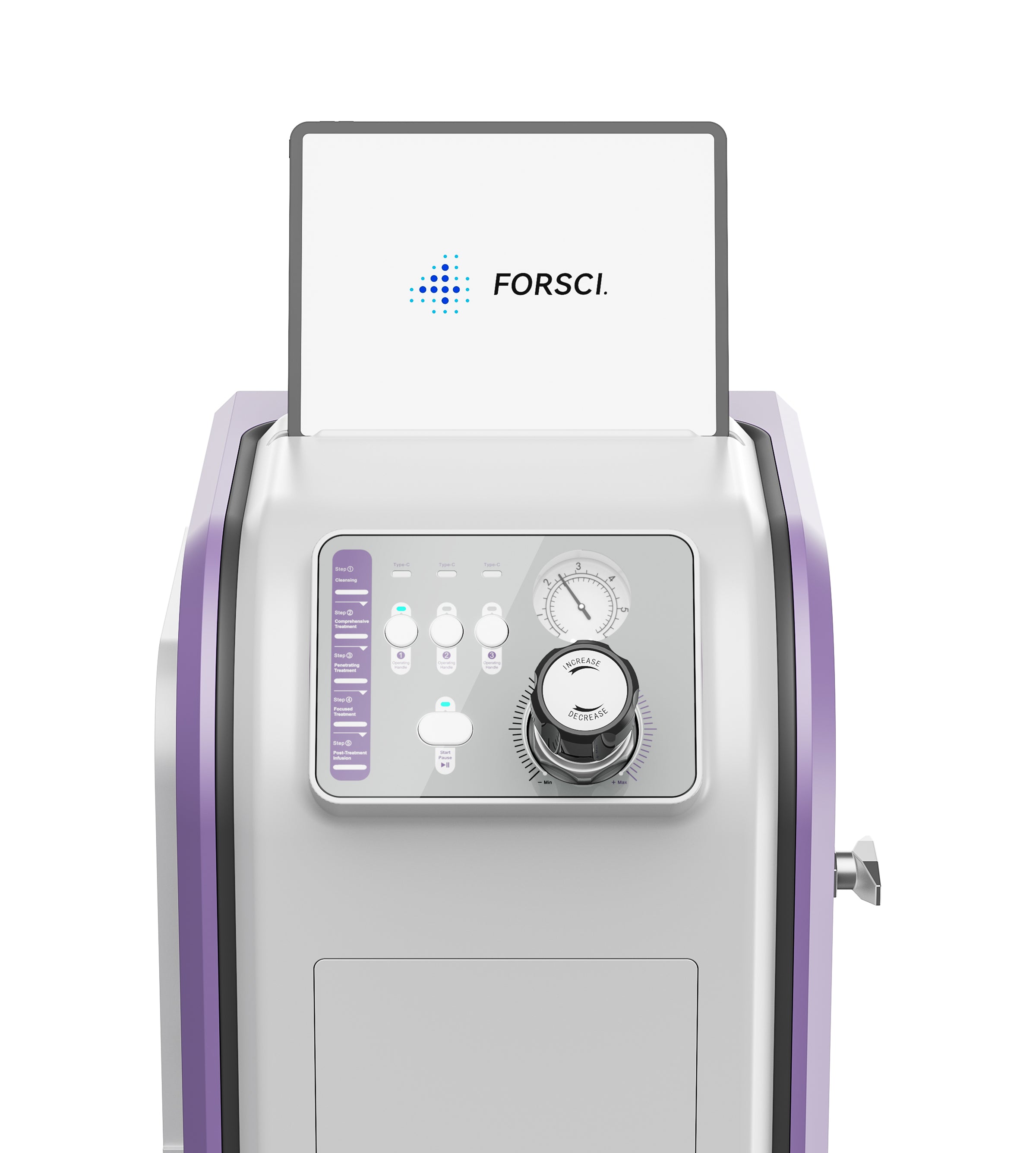
- Device Parameter: The CAP device output was fixed at Intensity Level 3 for all treatments.
(1) Sample Collection:
- Time Point: 24 hours after the final CAP treatment.
- Procedure: Skin tissue from the treated dorsal area and surrounding region was collected. One portion was immediately flash-frozen in liquid nitrogen and stored at -80°C for subsequent molecular biology assays. Another portion was fixed in 4% paraformaldehyde for histological analysis.
(2) Histological and Biochemical Assays:
- Histological Observation (H&E & Masson Staining):
H&E Staining: Used to assess epidermal thickness, dermal structure (e.g., collagen fiber density and arrangement), cellular morphology, and inflammatory infiltration.
Masson's Trichrome Staining: Employed to evaluate the distribution, content, and structure of collagen fibers (stained blue).
Quantitative Analysis: Epidermal thickness (µm) was measured under a microscope. Image analysis software was used to quantify the percentage of dermal collagen area or fiber density.
- Thermal Effect Screening:
A high-precision infrared thermography camera was used to monitor and record the dynamic temperature distribution on the skin surface at the treatment site in real-time. Measurement Time Points: Before CAP treatment (baseline), during CAP treatment (at 1s, 5s, 10s, and 20s of treatment duration), and after CAP treatment (at 5s, 30s, 60s, and 300s post-treatment).
- Immunohistochemical (IHC) Staining:
Targets: Inflammation and senescence markers, including IL-6, p21, p53, and COL1 (Type I Collagen).
Quantitative Analysis: The number of positive-staining cells was counted in high-power fields (400x magnification) under a microscope. The positive cell rate or average optical density was calculated.
- Animal Biosafety Assessment: Major organs were harvested for histological (H&E) examination, and blood was collected via the orbital sinus for a complete blood count (CBC) with five-part differential, providing comprehensive verification of systemic biosafety.
- Transcriptome Sequencing (Additional Item): RNA/Protein was extracted from skin tissue samples, followed by transcriptome sequencing to evaluate the expression profiles of related pathways and genes.
4. Current Research Progress
Result 1. CCK-8 Assay for Cellular Viability Changes Post CAP Treatment
A.

B.

Figure 1. Viability changes of L929 cells treated with CAP at Intensity Levels 0, I, II, and III, for durations of 5 s, 10 s, and 20 s.
A) CCK-8 assessment of L929 cells 24 hours post-CAP treatment (n = 5, mean ± SD; "ns" indicates no significant difference in L929 viability compared to control, analyzed using one-way ANOVA).
B) CCK-8 assessment of hydrogen peroxide-treated L929 cells 24 hours post-CAP treatment (n = 5, mean ± SD; "ns" indicates no significant difference in L929 viability compared to control, analyzed using one-way ANOVA).
Summary of Viability Changes in Mouse Fibroblasts (L929 Cells) Post CAP Treatment: The viability of both normal and senescent cells was measured after CAP treatment at Intensity Levels I, II, and III, for durations of 5 s, 10 s, and 20 s.
- CAP treatment showed no significant impact on the viability of normal mouse fibroblasts (Fig. 1A).
- CAP treatment similarly showed no significant impact on the viability of senescent mouse fibroblasts (Fig. 1B).
Result 2. Infrared Thermography Monitoring of Body Temperature Changes in Mice During CAP Treatment

Figure 2. Changes in skin surface temperature at the treatment site of mice before, during, and after CAP exposure.
A) Temperature changes during the 20-second CAP treatment session.
B) Temperature changes within 300 seconds after CAP treatment.
C) Bar graph summarizing the temperature changes throughout the entire observation period (n=5, mean ± SD; "ns" indicates no significant difference in skin temperature due to CAP treatment, analyzed using one-way ANOVA).
Summary of Infrared Thermography Results:
The mean skin temperature at the treatment site was: Pre-CAP: 36.04°C; During CAP treatment: 35.92°C at 1s, 36.38°C at 5s, 36.22°C at 10s, and 36.24°C at 20s (Fig. 2A).
Following CAP treatment, the temperatures were: 36.20°C at 5s, 36.22°C at 30s, 36.00°C at 60s, and 35.96°C at 300s post-treatment (Fig. 2B).
The bar graph analysis indicates that CAP treatment did not induce any significant change in skin temperature (Fig. 2C).
Result 3. Body Weight Changes in Mice


Figure 3. Body weight changes in C57BL/6 mice. A photoaging model was established by daily exposure to combined UVB (120 mJ/cm²) and UVA (20 mJ/cm²) irradiation. After successful model induction, mice in the CAP and UV+CAP groups received CAP treatment at Intensity Level III for 20 seconds twice daily (at 10:00 and 16:00), while the NC and UV groups underwent fasting during the corresponding periods.
A) Body weight changes in the NC, CAP, UV, and UV+CAP groups.
B) Body weight changes in each group during the 7-day treatment period following model establishment.
Summary of Body Weight Changes:
- During the photoaging model establishment phase, mice exposed to UV irradiation (UV and UV+CAP groups) showed a significant reduction in body weight compared to non-UV-exposed groups (NC and CAP groups), indicating that UV exposure inhibits body weight gain in mice (Fig. 3A).
- Following CAP treatment, the body weight gain trends in CAP-treated groups (CAP and UV+CAP) were consistent with those in non-CAP-treated groups (NC and UV). This demonstrates that CAP treatment does not cause significant changes in mouse body weight (Fig. 3B).
Result 4. Gross Morphological Skin Changes in Mice

Figure 4. Representative gross images of local skin areas from each group of mice, captured at day 0 (start of treatment) and day 7 (post-treatment).
Summary of Gross Morphological Skin Changes (Fig. 4):
- The CAP-only group exhibited no observable macroscopic changes in skin condition.
- Compared to the NC (Normal Control) group, the UV-exposed group displayed clear signs of photoaging, including increased wrinkling, desquamation (flaking), dryness, roughness, and a damaged appearance.
- In contrast to the UV group, the UV+CAP group showed significant improvement: noticeable reduction in wrinkles, along with enhanced hydration, smoothness, and elasticity, making its appearance more comparable to the normal skin group.
- These observations preliminarily indicate that CAP demonstrates significant potential in improving wrinkles and skin damage associated with photoaging. Furthermore, CAP treatment did not cause any detrimental effects on normal skin.
Result 5. Dermoscopic Skin Changes in Mice

Figure 5. Representative dermoscopic images of skin changes at various time points. After successful model establishment at Week 8, mice in the CAP and UV+CAP groups received CAP treatment, while the NC and UV groups continued with standard handling. All groups were observed over a subsequent 7-day period.
Summary of Dermoscopic Observations:
- Under dermoscopic examination, progressive changes were observed on the dorsal skin of mice following UV exposure: epidermal hyperplasia and desquamation at 2 weeks; skin roughness and wrinkling at 4 weeks; epidermal peeling and skin damage at 6 weeks; and aggravated skin lesions at 8 weeks (Fig. 5A).
- Results indicate that, compared to the UV group, mice in the UV+CAP group showed reduced skin lesions and wrinkling, along with improved skin texture (Fig. 5A).
Result 6. H&E and Masson's Trichrome Staining of Mouse Skin


Figure 6. H&E and Masson's trichrome staining results across experimental groups.
(A) H&E staining of mouse skin sections across groups (black arrows indicate the epidermis; n=5, scale bar = 100 µm, field of view: 400x).
(B) Masson's trichrome staining of mouse skin sections across groups (n=5, scale bar = 400 µm, field of view: 100x). Enlarged views of Masson's trichrome staining are also provided (n=5, scale bar = 100 µm, field of view: 400x).
(C) Epidermal thickness quantified from H&E staining.
(D) Quantitative comparison of collagen content derived from Masson's trichrome staining across groups (mean ± SD, n=5, ****p < 0.0001, ns: not significant, using one-way ANOVA).
Summary of Histological Findings:
- Therapeutic efficacy against photoaging is evidenced by epidermal repair. Dorsal skin sections from all groups were subjected to H&E (Fig. 6A) and Masson's trichrome staining (Fig. 6B) to evaluate the anti-aging effects of CAP.
- H&E Staining Results: The UV group exhibited the greatest epidermal thickness accompanied by hyperkeratosis, correlating with observed skin roughness. In contrast, the UV+CAP group showed reduced epidermal thickness and alleviated hyperkeratosis compared to the UV group. This indicates that CAP treatment promotes skin repair and ameliorates photoaging (Fig. 6A, 6C).
- Masson's Trichrome Staining Results:Compared to the NC group, the UV group displayed a significant reduction in collagen fiber content, along with disorganized and uneven distribution, contributing to wrinkle formation and skin laxity. Conversely, the UV+CAP group demonstrated restoration of both collagen fiber alignment and content to levels approaching normal, highlighting the significant potential of CAP in mitigating collagen loss (Fig. 6B, 6D).
Result 7. Immunohistochemical (IHC) Analysis of Skin Changes in Mice

Summary of IHC Findings:
- IL-6 is a representative and crucial inflammatory marker. Its expression in keratinocytes is significantly upregulated in response to UV irradiation, inflammatory stimuli, or barrier damage.
- P16, P21, and COL1A1 are key indicators associated with skin aging. Their expression increases markedly in keratinocytes and fibroblasts with advancing age, skin aging, or injury, while the fibroblasts' capacity to synthesize COL1A1 declines.
- Compared to the NC group, UV exposure led to significant upregulation of IL-6, P16, and P21 expression, coupled with significant downregulation of COL1A1 expression.
- Compared to the UV group, the UV+CAP group showed significant alleviation of these inflammatory and senescent markers.
- Conclusion: The results demonstrate that CAP treatment promotes COL1A1 expression in UV-exposed skin tissue while reducing the expression of the inflammatory marker IL-6 and the senescence markers P16 and P21.
Result 8. Quality Control Analysis of Mouse Skin Transcriptome Sequencing Samples
A.

Figure 8. Sequencing Data Statistics Table
The quality control (QC) results for the sequencing data indicate that the sample quality fully meets the requirements for subsequent in-depth analysis.
Sequencing Data Quality Control Results:
- Twenty-five 150 bp paired-end libraries were filtered using fastp. The Clean data retention rate was ≥98.8%, and the GC content remained stable at approximately 50%.
- Q20 ≥ 99% and Q30 ≥ 95%, indicating that more than 99% of bases had an error rate ≤1% and over 95% of bases had an error rate ≤0.1% across the entire dataset.
- Clean Reads: 3.57 – 4.97 × 10⁷ per sample. The retention of 35.7 to 49.7 million reads per sample demonstrates sufficient sequencing depth.
- Clean Bases: 5.37 – 7.47 Gb per sample. This corresponding total base volume confirms adequate genomic or transcriptomic coverage.
- Filtered Loss: 0.94 – 1.23% (negligible). Following adapter removal and low-quality read trimming with fastp, the proportion of discarded reads was only about 1%, indicating minimal data loss and excellent library quality.
Result 9. Mouse Skin Transcriptome Sequencing – Differential Gene Expression Analysis
A.

Figure 9A. Volcano plot of differentially expressed genes.
B.

Figure 9B. Heatmap of DEG clustering.
Analysis of Differentially Expressed Genes (DEGs):
- Differential gene expression analysis was performed on the transcriptome sequencing results from the UV group and the UV+CAP group of mouse skin.
- Blue dots represent downregulated differentially expressed genes. Red dots represent upregulated differentially expressed genes. Gray dots represent non-differentially expressed genes.(Fig. 9A)
- The absolute value on the X-axis indicates the magnitude of expression difference between the two sample groups; a larger absolute value corresponds to a greater fold change in expression.
- The value on the Y-axis represents the statistical significance of the expression difference. A larger value indicates a more significant differential expression, thereby enhancing the reliability of the identified differentially expressed genes.
Result 10. Mouse Skin Transcriptome Sequencing – Reactome Pathway Enrichment Analysis of Differentially Expressed Genes
A.

Figure 10A. Bar graph of Reactome pathway enrichment for differentially expressed genes.
B.

Figure 10B. Bubble plot of Reactome pathway enrichment for differentially expressed genes.
Reactome Pathway Enrichment Results of Differentially Expressed Genes:
- Transcriptome sequencing of mouse skin revealed that, compared to the UV group, the UV+CAP group exhibited upregulation of genes involved in collagen chain trimerization, collagen biosynthesis, and modifying enzymes.
- Upregulation of collagen chain trimerization significantly enhances the formation and stability of "functional, mature collagen." This leads to increased collagen expression at the protein level and greater tissue deposition, resulting in improved collagen stability, enhanced dermal structure, and ultimately amelioration of skin photoaging.
- Upregulation of collagen biosynthesis and modifying enzymes markedly boosts the protein expression, secretion, and extracellular matrix (ECM) deposition of "functional collagen." This promotes collagen maturation and ECM repair, thereby improving the dermal collagen structure and ultimately alleviating skin photoaging.
Result 11. Mouse Skin Transcriptome Sequencing – Protein-Protein Interaction (PPI) Network of Differentially Expressed Genes
A.

Figure 11A. Protein-protein interaction (PPI) network of proteins encoded by differentially expressed genes.
Results of the Protein-Protein Interaction Analysis for Differentially Expressed Genes:
- A PPI network was constructed based on the known interaction relationships within databases for proteins encoded by the differentially expressed genes between the UV group and the UV+CAP group. A clustering algorithm was then applied to delineate six highly interconnected "functional modules."
- Node color intensity corresponds to the degree of connectivity (the number of interactions); darker nodes indicate higher connectivity and are more likely to represent core hub proteins driving the anti-aging effects of CAP.
- For future investigations aimed at elucidating the underlying anti-aging mechanisms, the research focus can be efficiently directed toward these highly connected target proteins, bypassing the need for unbiased screening across the entire genomic background of differential expression.
Result 12. Mouse Safety Assessment (Five-Part Differential Complete Blood Count)

Figure 12. Results of the five-part differential complete blood count (CBC) performed on orbital venous blood collected from the NC, CAP, UV, and UV+CAP groups on day 7 after the completion of CAP treatment (n=5, mean ± SD).
WBC: white blood cell Neu: neutrophil Lym: lymphocyte Mon: monocyte Eos: eosinophil Bas: basophils RBC: red blood cell HGB: hemoglobin HCT: hematocrit PLT: platelet
Results of the Five-Part Differential Complete Blood Count:
- All peripheral blood parameters in the mice fell within the normal reference ranges.
- This indicates that CAP treatment did not induce hematopoietic system toxicity in mice and demonstrates normal murine tolerance to CAP.
Result 13. Mouse Safety Assessment (H&E Staining of Major Organs)

Figure 13. H&E staining analysis of major organs (heart, liver, spleen, lungs, kidneys) in mice subjected to different treatments (scale bar: 100 µm).
The results indicate that CAP treatment does not cause significant toxicity to mice and demonstrates a high level of biosafety.
H&E Staining Results of Major Organs:
- To verify the biosafety of CAP, major organs (heart, liver, spleen, lungs, kidneys) were collected from each group of mice at the end of the treatment period for H&E staining.
- The results showed normal histological structures in all examined organs, with no significant differences observed among the four experimental groups.
5. Interim Summary and Future Experimental Plan
Summary of Completed Work
- Successfully established a C57BL/6 mouse photoaging model using combined UVB (120 mJ/cm²) and UVA (20 mJ/cm²) irradiation.
- Following successful model induction, intervention was performed using the CAP treatment device. Infrared thermography monitoring confirmed that CAP treatment did not induce significant changes in mouse body temperature.
- Completed skin sample collection and analysis from mice. Compared to the UV group, the UV+CAP group showed: 1) Significant improvement in wrinkles and desquamation, as observed in gross morphology and dermoscopy; 2) Reduced epidermal thickness and increased collagen area percentage, as confirmed by H&E and Masson's trichrome staining; 3) Downregulated expression of IL-6, p16, and p21, and upregulated expression of COL1A1, as demonstrated by immunohistochemistry (IHC).
- Complete blood counts (CBC) and H&E staining of major organs (heart, liver, spleen, lungs, kidneys) revealed no abnormalities in any mice, indicating excellent biosafety of CAP treatment.
- Transcriptome sequencing revealed that, compared to the UV group, the UV+CAP group exhibited upregulation of genes involved in skin collagen chain trimerization, collagen biosynthesis, and modifying enzymes.
Future Plans
- Refine Animal Studies: Supplement animal experimental data following the completion of subsequent key protein validation and immunofluorescence assays.
- Cellular-Level Validation: Establish an H₂O₂-induced senescent L929 cell model. Following CAP intervention, use qPCR and Western blot (WB) to quantitatively detect changes in COL1 expression, and correlate these findings with the animal transcriptome data.